

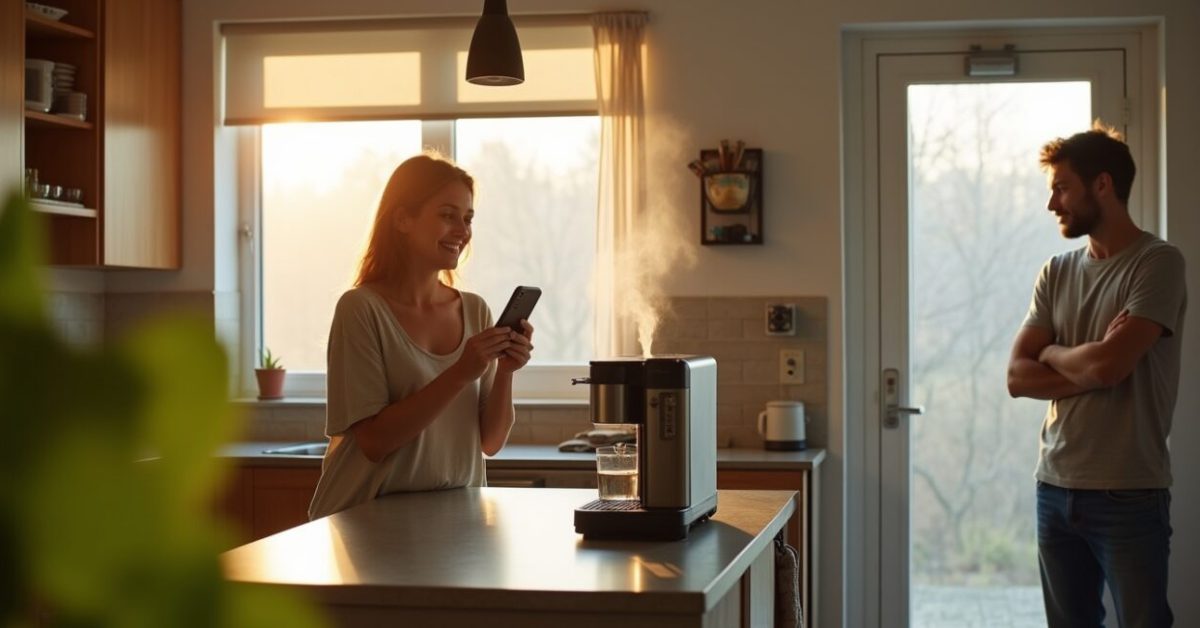

They installed a smart lock, a motion sensor, and an app that promises to make life in a rental effortless — until the landlord handed over the master account. That morning, the tenant realized why “renter automation” is suddenly a culture war: plug-and-play convenience for one person can feel like surveillance, expense, and technical debt for another. Within three swipes you get warmed-up coffee and closed blinds; with three more you might be trapped in a subscription you can’t take with you.
Why Renters Are Buying Into Plug-and-play Systems
Some tenants treat automation like fast furniture: instant upgrade, immediate satisfaction. For people with unpredictable schedules, smart thermostats and locks mean fewer fights with utility bills and fewer missed deliveries. Many devices are advertised as “no-install” — a boon for renters who can’t drill or rewire. Brands like August and Nest built their pitches around simplicity: pair an app, scan a code, and you’ve put modern convenience into a 10-minute setup.
The Privacy Price Tag Most Vendors Don’t Spotlight
Convenience often comes with an invisible rent: data. Every smart lock ping, camera clip, and voice command is metadata that lives on a company server. Tenants worry about who has access — the landlord, the property manager, or a third-party analytics firm. According to research from university labs, aggregated device data can reveal when you’re home, your sleep schedule, and more. For renters who value anonymity, that trade-off kills the romance.
The Cost Curve: Cheap Device, Expensive Lifecycle
Buying a $50 sensor is the easy part; maintaining it costs money, time, and attention. There’s the upfront device, the hub you might need later, and subscription tiers for cloud recordings or advanced features. Over two years, those ongoing fees can eclipse the initial purchase. Ask, for instance: will you pay monthly for video history, or accept a blind spot when you cancel? That math explains why some renters ditch automation after the first billing cycle.
Portability and Permission: The Rental Reality
Expectation: I can unplug and take my smart life with me. Reality: you might need permission — or a screwdriver. Many renters discover installation locks their setup to a unit. Landlords sometimes insist on central accounts for maintenance or insurance reasons. That creates friction: do you leave devices behind, uninstall and risk deposits, or negotiate access to the property account? Portability is both a physical and a contractual puzzle.
Comparison That Surprises: DIY Vs. Landlord-managed Systems
Expectation: DIY systems are always more private and flexible. Reality: landlord-managed systems can be safer and cheaper — or a nightmare. A quick side-by-side:
- DIY: You control credentials, but you shoulder backups and subscriptions.
- Landlord-managed: Often integrated with building systems and cheaper at scale, but you lose account control and sometimes privacy.
Three Common Mistakes Renters Make (and How to Avoid Them)
People jump in without reading the fine print — and pay for it. Common errors:
- Buying cameras before confirming landlord rules.
- Assuming subscriptions are optional — they may be required for core features.
- Not asking who holds the master account and what happens at move-out.
The Surprising Micro-story That Changes How I Think About Automation
She installed a smart lock to feel safer after a late-night delivery. When a package went missing, the app showed a delivery worker entering through the side gate at 3 a.m. The landlord, copied on the activity logs, dismissed it as “normal.” After three nights of unexplained entries, she unplugged the system and switched to a battery deadbolt. The tech solved one anxiety and created another — a reminder that every convenience can have an unexpected social cost.
For more data on digital privacy and housing, see HUD guidance on tenant protections and research from academic teams studying smart-home privacy, such as work published by MIT.
Renter automation is not a fad; it’s a fork in how we imagine domestic life. The question isn’t whether to automate, but under what terms — who controls the keys, who pays the monthly fee, and who gets to leave with the tech. Pick those terms before you buy.
Can I Install Smart Devices in a Rental Without My Landlord’s Permission?
Most lease agreements require you to notify or get permission for structural or permanent changes, but many plug-and-play devices (like smart plugs and battery-powered sensors) fall into a gray area. The smart move is to check your lease and ask the landlord in writing; that creates a record and protects your deposit. If the device mounts or requires wiring, you’ll probably need explicit consent. Also consider documenting the pre-installation condition with photos to avoid disputes at move-out.
Will My Landlord Be Able to Access My Device Data?
It depends on account setup and vendor policies. If the landlord manages a shared account or building-integrated system, they often have administrative access to logs and settings. For tenant-owned devices, landlords usually lack automatic access, but they may request data for maintenance or legal reasons. To protect yourself, use local storage options when available, enable strong passwords and two-factor authentication, and get any data-sharing arrangement in writing to limit unexpected access.
Are Subscriptions Necessary, or Can I Use Devices Without Them?
Many devices work with limited local features without a subscription, but key capabilities (cloud video storage, advanced automation, remote access) are often gated behind monthly fees. Some vendors intentionally cripple basic functions to drive subscriptions. If you’re a renter, decide which features matter most before purchasing; sometimes a one-time purchase with local storage and no cloud account is the cheaper, more portable choice over time.
How Do I Handle Automation at Move-out So I Don’t Lose My Deposit?
Plan ahead: notify your landlord, uninstall devices carefully, and restore any mount points or wiring to their original state. For built-in or hardwired systems, negotiate whether devices stay with the unit or transfer to you — get agreements in writing. Remove accounts and personal data from devices, document the final condition with timestamps, and return any building-shared credentials. Doing this reduces disputes and keeps the move-out process clean and defensible.
What Are the Most Privacy-respecting Choices for Renters Wanting Automation?
Favor devices that support local processing and local storage, allow account ownership transfer, and don’t require mandatory cloud subscriptions. Look for vendors with transparent privacy policies and data-minimization practices, and enable encryption and two-factor authentication. Consider edge devices (where data stays in your home) and avoid always-on cameras in private spaces. Finally, negotiate written rules with your landlord about who can access logs and how long data is retained to protect your privacy.