
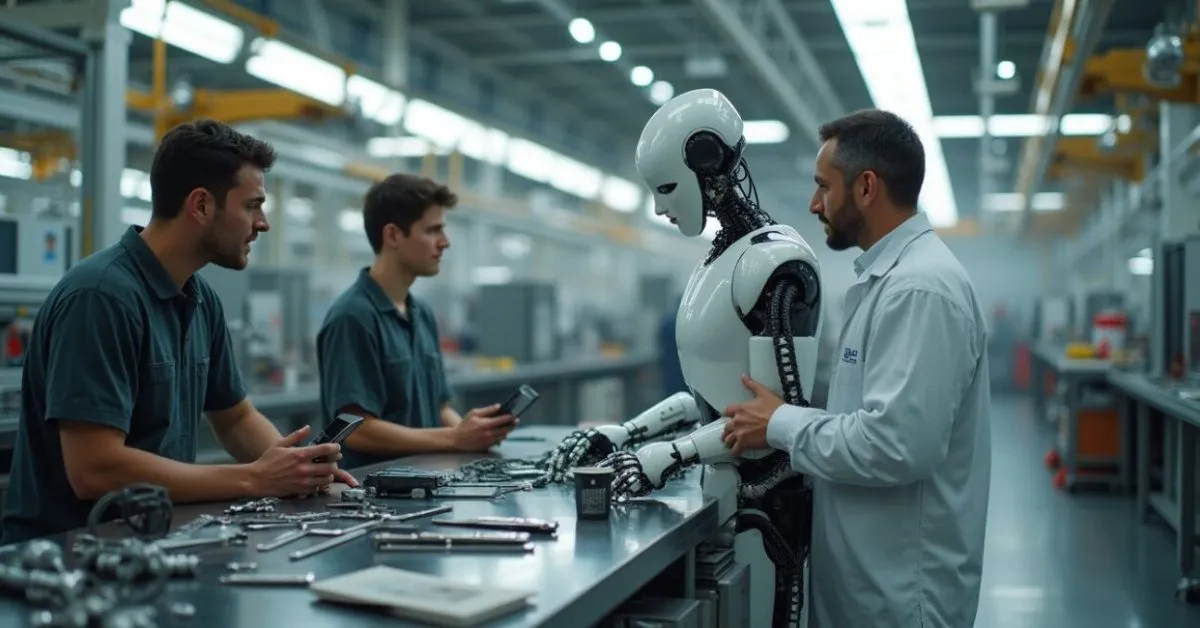
You’ve probably felt that mix of curiosity and worry when a robot walks into a factory, right, wondering if your job will change overnight. I get it, and you’re not alone, workers are watching every move on the line.
Today you’ll see why Tesla robots are surprising people on factory floors, what went differently than predicted, and how productivity jumped in ways executives didn’t expect. I’ll walk you through worker reactions, the real numbers, and what this means for jobs you care about.
Stick around, because halfway through I’ll reveal the one detail managers missed that explains the biggest gains, and give practical advice on what to watch for next.
Why Tesla Robots Are Already Changing the Rhythm on the Line
Walk with me, this is not sci-fi. Tesla robots arrived as assistants, but they quickly rewrote small routines on assembly lines.
- Faster repetitive tasks, less downtime.
- Fewer misfeeds and parts misalignments.
- Night shift consistency improved.
Those bullets are visible gains, but the real surprise was how robots smoothed handoffs between stations, cutting small delays that used to add up to hours each week.
What Surprised Managers the Most
Here’s the secret, managers expected headcount reductions, but instead they saw output per worker climb, because Tesla robots handled the tedious bits and humans focused on complex fixes.
- Higher per-person throughput without speed-up pressure.
- Quality metrics improved in mixed human-robot teams.
- Maintenance windows shortened thanks to predictive alerts.
Those changes forced managers to rethink scheduling and training, shifting investment from overtime to upskilling, which few had planned for.

Worker Reactions, from Skepticism to Guarded Curiosity
Think about your own reaction to new tech, uneasy but curious, that’s what workers reported. Some feared layoffs, others saw relief from repetitive strain.
Here’s what most workers said: they appreciated fewer boring tasks, but they wanted transparency on performance metrics and clear retraining paths.
Erros Comuns
- Assuming immediate job cuts instead of role shifts.
- Skipping early worker input on workflows.
- Underinvesting in frontline training.
These missteps slowed adoption and bred distrust. Factories that avoided these errors onboarded robots faster and kept morale steadier, proving process design matters as much as the robot itself.
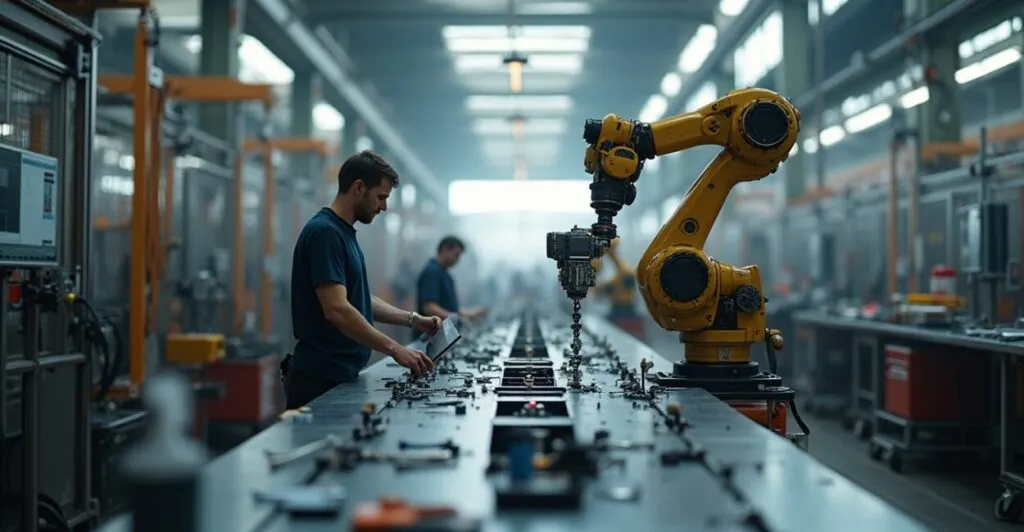
How Tesla Robots Stack Up Against Older Automation
Poke around and you’ll see a clear difference, Tesla robots blend humanoid reach with AI that adapts to small variations, while older arms needed rigid jigs.
| Feature | Tesla robots | Traditional automation |
|---|---|---|
| Flexibility | High | Low |
| Setup time | Shorter for mixed tasks | Longer for retooling |
| Worker interaction | Cooperative | Isolated |
The table shows why many plants chose pilot deployments, they wanted flexibility without full-line rework.
Regulation, Safety and the Unexpected Wins
Here’s the twist, safety audits initially slowed rollout, but those same audits pushed teams to redesign layout and actually reduced minor injuries.
For context, government safety guidelines and big press coverage made companies more cautious, yet the net result was safer, more efficient floors. See guidance from OSHA and reporting by leading outlets for deeper context, like OSHA and The New York Times.
What This Signals for Manufacturing Jobs in the Next 5 Years
Pense comigo, automation won’t just erase roles, it will change them. Expect fewer repetitive positions and more demand for technicians, robot handlers, and process optimizers.
- More training programs on robotic maintenance.
- Hybrid roles combining mechanical and software skills.
- Opportunities in quality assurance and system tuning.
This shift rewards people who lean into new skills, and companies that invest in career pathways will keep talent and maintain morale.
FAQ — Questions People Actually Ask
Will Tesla Robots Make Factory Workers Redundant?
Not necessarily, Tesla robots mostly shifted tasks rather than instantly cutting staff. Early deployments show a move toward hybrid roles, where humans handle complex, non-routine work and robots take repetitive tasks. The factories that succeed invest in retraining and create technician positions to support and program the robots.
Are Tesla Robots Safe to Work Alongside?
Yes, but only when safety protocols are followed, deployments included updated layouts, sensors, and mandatory audits. Incidents dropped in several pilot plants after safety-driven redesigns. Still, clear procedures and ongoing monitoring are essential to keep humans and robots working together safely.
How Big Were the Productivity Gains Seen So Far?
Gains varied by site, but many pilots reported double-digit improvements in throughput and a meaningful drop in small stoppages. The biggest gains came from reducing handoff delays and minimizing human error on repetitive steps, rather than raw speed increases.
What Should Workers Learn to Stay Relevant?
Focus on mechanical troubleshooting, basic programming, and quality assurance, those skills are in demand. Cross-training in robotics maintenance and data interpretation will offer the best protection, since plants prize people who can bridge the gap between hardware and software.
Where Can I Find Reliable Info on Robotics and Workplace Rules?
Start with government and major news sources for reliability, OSHA offers safety guidance and major outlets cover industry trends and case studies. Combining authoritative regulation sources with reputable journalism gives a balanced view of both rules and real-world outcomes.