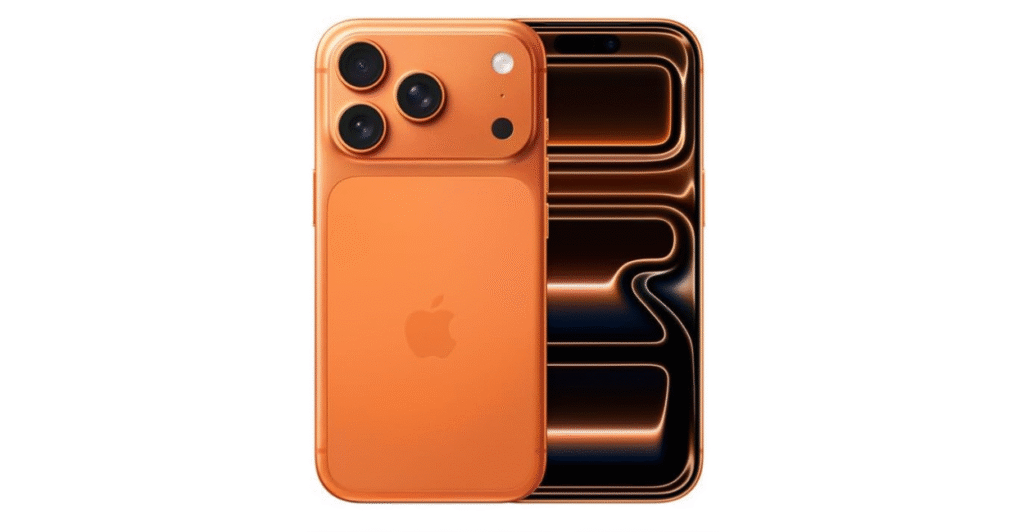

You’re tired of hearing about another tech promise that dies in a lab, right? The pile of dead chargers, swollen phone batteries, and mystery recycling bins feels endless, and you want solutions that actually reduce trash, not just headlines. You’re skeptical, and that’s reasonable.
Here’s good news, and a realistic rundown, because breakthroughs in biodegradable batteries are moving fast. I’ll show you which startups and university labs are winning on materials and safety tests, what products could ditch traditional e-waste first, and a practical timeline for when you might actually buy these batteries for your phone, camera, or IoT gadget.
Why Biodegradable Batteries Could Change Everything
Start with this: biodegradable batteries aren’t a gimmick, they aim to remove the toxic legacy of lithium and heavy metals. But don’t confuse hope with readiness, many prototypes still need safety validation.
- Cleaner end-of-life, less landfill contamination
- Potential for compostable electronics in low-power devices
- Reduced cost of long-term e-waste handling
Those are the promises, and some labs already show measurable reductions in heavy-metal residue. Here’s the catch, scaling from coin cell demos to an iPhone-grade pack is a big step, and companies know it.
Materials That Make Biodegradable Batteries Work
Researchers favor organic polymers, sodium-based electrolytes, and even cellulose substrates. These choices are about safety and decomposition, not just performance.
- Polymers derived from plants for the casing
- Sodium or zinc chemistries to avoid cobalt and nickel
- Cellulose or silk membranes for degradable separators
Mixing these materials reduces reliance on scarce metals and uses feedstocks that break down in soil microbes. The performance gap is closing, though energy density still lags behind lithium-ion.

Safety Tests Startups and Labs Are Running
Think: drop, puncture, short-circuit, and combustion tests, plus soil toxicity assays. Companies aren’t skipping the safety checklist, because consumers won’t accept risky gear.
What Labs Are Finding
Many biodegradable battery prototypes pass basic mechanical tests and show non-toxic leachates in controlled soil tests. Still, regulatory-level cycling and long-term stability data are limited, so real-world certification takes time.
- Mechanical stress testing
- Soil and water biodegradation assays
- Accelerated aging for lifecycle estimates
Test results are promising for low-power uses like wearables and disposable sensors, but full consumer electronics need deeper longevity proof and robust certification from agencies.
Products Likely to Ditch Traditional E-waste First
Here’s the secret, low-power items with short lifespans will switch fastest. Think single-use sensors, disposable medical patches, and some wearables, not yet flagship phones.
| Product | Likelihood (3–5 years) | Why |
|---|---|---|
| Disposable medical sensors | High | Regulated, single-use, safety-focused supply chains |
| Environmental sensors | Medium | Low power and remote deployment |
| Smartwatches | Low | High energy demand and cycle requirements |
Companies targeting medical and industrial markets get adoption first because those buyers prioritize disposability and compliance, and budgets can absorb newer tech.

What to Avoid When Evaluating Claims
- Ignoring independent safety certifications
- Believing one-off lab cycles represent real lifespan
- Confusing “biodegradable” marketing with full compostability
Many startups use optimistic language, so watch for third-party testing and clear end-of-life instructions. If a product claims complete composting without data, that’s a red flag. Demand transparent test reports.
Realistic Timelines for Consumer Adoption
Short answer, 3–7 years for targeted products, 7–15+ years for mainstream phones and laptops. Why such a spread? Certification, scaling manufacturing, and achieving energy density parity.
Biodegradable Batteries in Consumer Cycles
Expect early entrants in specialized markets within a few years, where regulatory paths and buyer needs align. For mass-market devices like iPhone, the ecosystem change is slower, requiring OEM partnerships, large-scale safety data, and supply chain retooling.
- 3 years, niche medical and environmental devices
- 5–10 years, wearables and low-power consumer gadgets
- 10+ years, mainstream smartphones and EVs
Manufacturers will move when performance, cost, and certification align. Meanwhile, regulators and big brands like Apple or Samsung drive trust once they endorse a technology.
Where to Watch Next and Who’s Leading
Keep an eye on university labs in the US and EU, plus startups spun out of MIT, UC Berkeley, and Imperial College. Big names partner early for pilot programs.
Here are a few reliable sources to follow for developments and verification
These outlets often republish independent validation studies and regulatory moves, which matters more than press releases from startups. Follow them to separate hype from real progress.
Final thought — biodegradable batteries are not a silver bullet, but they’re a significant step toward cleaner electronics. You should be cautiously optimistic, and pay attention to certifications more than flashy demos.
Curious to try them? Start with medical or environmental sensors that list independent test results, and keep demanding transparency from brands. The future of less e-waste is happening, and you can be part of pushing it forward.
What Are Biodegradable Batteries Made Of
Biodegradable batteries often use organic polymers for casings, sodium or zinc-based electrolytes, and cellulose or silk separators. These materials are selected to break down under environmental conditions and avoid heavy metals like cobalt. Performance varies, with lower energy density than lithium-ion, but their environmental profile makes them ideal for disposable or low-power applications where decomposition and safety are priorities.
How Safe Are Biodegradable Batteries Compared to Lithium-ion
Safety is improving, many prototypes pass mechanical and soil-toxicity tests, and they typically avoid thermal runaway seen in lithium-ion. However, long-term cycling and large-scale stress tests are still limited. For critical consumer devices, extensive certification is needed, but for wearables and medical disposables, biodegradable batteries already offer a safer end-of-life profile.
When Will My Smartphone Use Biodegradable Batteries
Smartphones like the latest flagship models are unlikely to adopt biodegradable batteries within 5 years due to energy density and lifecycle needs. Expect targeted adoption in about 7–15 years, depending on breakthroughs in materials and partnerships with OEMs such as Apple or Samsung. Early consumer adoption will focus on accessories and low-power wearables first.
Can Biodegradable Batteries Be Composted at Home
Not necessarily, home composting conditions vary and many biodegradable batteries require industrial composting or specific soil microbes to fully degrade. Always check the manufacturer’s disposal instructions and look for independent testing. Compostability claims should include standards met, and if unclear, treat them through proper recycling channels until clear evidence supports safe home composting.
Which Companies and Labs to Watch for Credible Progress
Watch university spinouts from MIT, UC Berkeley, Imperial College, and startups that publish independent test data. Follow trusted outlets like NIST and Nature Energy for replication studies. Companies partnering with medical device manufacturers or OEMs signal serious commercialization intent, so prioritize those with public safety data over marketing claims.