

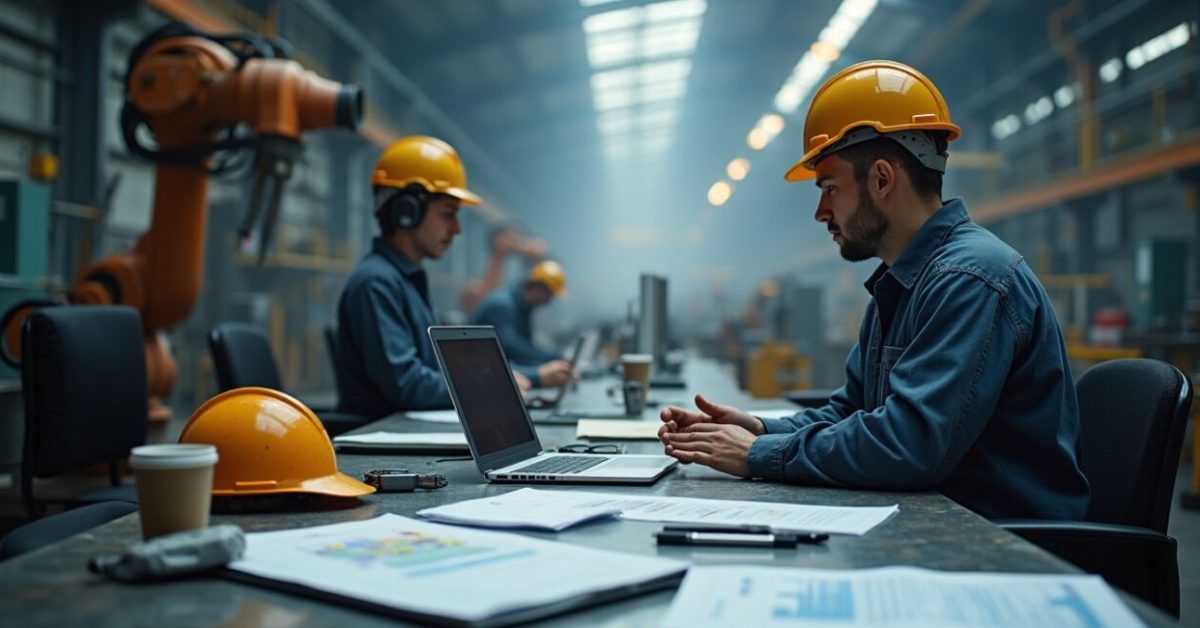

Why GE and Siemens Are Betting Big on Industrial IoT Today feels like a headline, but you probably wonder if this means real change on the factory floor or just corporate showmanship, right
Stick with me, you’ll see recent deals, platform bets and the exact operational gains factories report from connected sensors and predictive maintenance, I’ll show what’s already working and what still surprises even engineers
Industrial IoT: Why Now Feels Urgent to Giants Like GE and Siemens
Factories are under pressure to cut downtime and stretch margins, and GE and Siemens see Industrial IoT as the fastest route to those wins.
Pushed by energy prices, talent gaps and supply chain shocks, they’re buying platforms and partnering fast, because data from sensors turns guesswork into predictable actions.
What Deals Tell Us About the Strategy
GE bought smaller analytics shops, Siemens doubled down on cloud partnerships, and both signed long-term contracts with manufacturers, this isn’t random shopping.
- GE’s moves focus on edge analytics and asset-centric apps
- Siemens prioritizes standards and cloud scalability
- Both push for subscription revenue, not one-off sales
That combination shows they want sticky relationships, not single projects, and it explains why factories now face multi-year transformation plans rather than pilot-only experiments.

How Platforms Change Daily Operations
Pense comigo, sensors are cheap, but turning streams into decisions isn’t, platforms solve that gap.
GE’s Predix-like approaches and Siemens’ MindSphere-style stacks centralize data, apply models and push recommendations to on-site teams.
- Real-time alerts reduce emergency repairs
- Predictive maintenance schedules maximize uptime
- Workflow integration keeps technicians focused
After a platform rollout, many plants report quicker troubleshooting, fewer repeat visits and better spare-parts planning, which translates to measurable cost savings within months.
Operational Gains Factories Actually See
Here’s the secret, it’s not magic, it’s measurement, small improvements compound fast.
| Metric | Before | After |
|---|---|---|
| Downtime | 8% of production hours | 3–4% after predictive maintenance |
| Maintenance cost | Baseline | 15–30% reduction |
| Spare parts inventory | High | Optimized via demand forecasts |
Those are conservative, real plants report quicker line restarts and smoother handoffs between shifts, which keeps orders on time and customers happier.

The Tech Stack Battle You Should Watch
Cloud providers, edge vendors and OT specialists are all competing, but interoperability wins, and that’s where Siemens leans on standards while GE pushes edge-first capabilities.
Want official context, read the Department of Energy’s industrial efficiency reports or check manufacturing analysis on The Wall Street Journal for industry moves, they map the macro trends well.
Common Pitfalls and What to Avoid
- Overloading teams with raw data
- Choosing vendors without clear SLAs
- Ignoring cybersecurity for OT networks
Those mistakes turn promising projects into costly experiments, so leaders who succeed simplify dashboards, demand service-level commitments and treat OT security as a top-line risk.
Where This Leads in Five Years
Predictably, more assets will ship with telemetry built-in, service contracts will center on uptime guarantees, and GE and Siemens will sell outcomes, not just gear.
Think about it, you won’t buy a pump, you’ll buy guaranteed throughput with IoT-backed monitoring—companies that adapt will grab market share faster than you expect.
FAQ — Your Quick Questions Answered
What Exactly is Industrial IoT and Why Do GE and Siemens Focus on It
Industrial IoT connects machines, sensors and control systems to collect and analyze operational data, then turns that insight into action. GE and Siemens invest because it reduces unplanned downtime, extends asset life and creates recurring revenue through analytics and services, making operations more predictable and profitable.
How Do Connected Sensors and Predictive Maintenance Cut Costs in a Plant
Sensors stream vibration, temperature and usage data, models detect patterns that predict failures, and maintenance shifts from calendar-based to condition-based. This reduces emergency repairs, lowers spare-part inventories and improves uptime, delivering measurable savings often within a few months of deployment.
Which Platforms Are GE and Siemens Using to Scale Industrial IoT Deployments
GE emphasizes edge analytics and asset-centric platforms, while Siemens focuses on cloud-native, standards-friendly systems. Both combine on-site gateways, digital twins and cloud services to scale from pilot projects to plant-wide operations, aiming to turn one-off wins into enterprise-wide solutions.
Are There Real Case Studies Showing Measurable ROI from Industrial IoT
Yes, multiple plants report 15–30% maintenance cost reductions and halved downtime after rolling out IoT platforms. These results come from better fault detection, targeted repairs and improved inventory planning, and have been documented in industry reports and company disclosures.
How Should a Factory Start If It Wants to Follow GE and Siemens’ Path
Begin with a high-value asset, deploy sensors and integrate data into a platform that offers analytics and actionable alerts, secure a vendor SLA, and train technicians to act on insights. Start small, measure results, then scale to more assets and processes to build momentum.