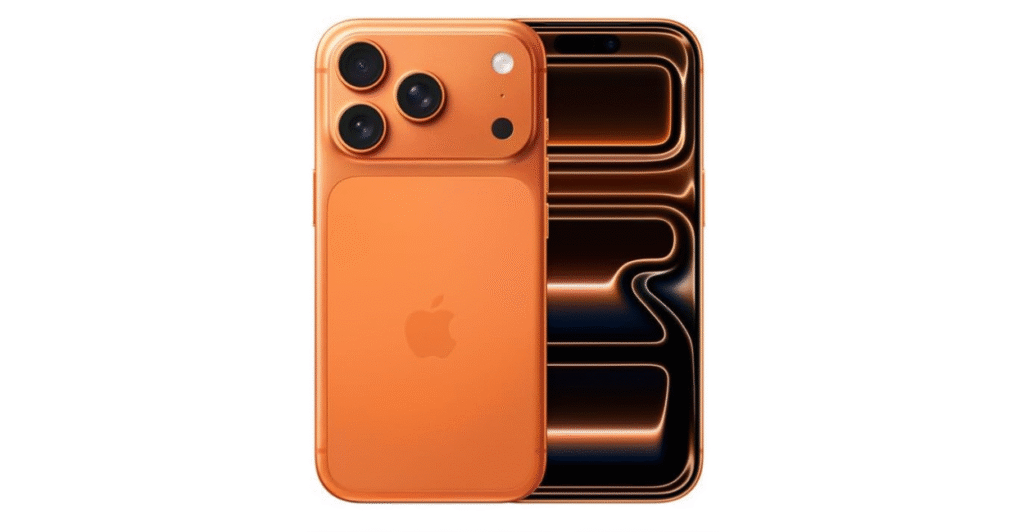

3 AI Chips That Could Power Millions of Phones by 2026 — you’re curious and a little impatient, I get it. You want faster on-device smarts without giving away privacy or battery life, and you’re tired of vague promises.
Here’s the deal, I’ll show what Qualcomm, Apple, and Google are actually building, what those AI chips enable in your iPhone or Pixel right on the phone, and why manufacturers are doubling down. Stay with me, you’ll leave knowing which chip matters and what that means for your pocket.
Quick preview, I’ll compare real specs, list pitfalls to avoid, and show how these chips could reshape performance and privacy by 2026 — no fluff, just the parts that change your daily phone life.
Why AI Chips on Phones Matter Right Now
Think about a phone that understands you without sending everything to the cloud, sounds dreamy right? Here’s the secret, AI chips let devices run complex models locally, so tasks like voice assistants, photo edits, and privacy checks become faster and more private.
Qualcomm’s Approach to AI Chips
Qualcomm is pushing NPU power into many Android phones, prioritizing efficiency and compatibility. This means Samsung and other makers can deploy smarter cameras and always-listening assistants without killing battery life.
- High compatibility with Android ecosystem
- Balanced power and efficiency
- Targets mid to flagship devices
Qualcomm’s design lets manufacturers scale AI features across price points, so more phones get on-device intelligence sooner.
What Apple’s Silicon Promises for Everyday Use
Apple builds its Neural Engine to make iPhone features feel instant and secure, that’s why photography and dictation got a huge boost. But is it just hype? Not really, Apple integrates hardware and iOS for seamless experiences.
Apple’s AI Chips and Private Processing
Apple focuses on local processing for privacy sensitive tasks, meaning Face ID, Live Text, and on-device Siri all get faster while keeping data on the iPhone. That trade-off attracts users who value privacy and smooth UX.
- Top-tier performance per watt
- Deep integration with iOS apps
- Optimized for multimedia and ML workloads
Apple’s tight software-hardware control makes advanced features feel native, and developers can tap the Neural Engine for richer apps without cloud dependency.

Google’s Strategy: AI Chips for Smarter Pixels
Google bets on TPU-like NPUs tailored for Pixel devices, aiming for real-time language features and smarter photography. But don’t assume it’s only for Pixels, Google’s advances push Android partners forward too.
How Google’s AI Chips Enable New Apps
Expect live transcription that works offline, more accurate language understanding, and image editing that’s both fast and private. Google mixes cloud and local compute so heavier tasks still scale when needed.
- Offline-first language models
- Computational photography improvements
- Hybrid cloud/local processing options
Google’s hybrid approach aims to balance device capability with cloud strength, giving users practical everyday gains while keeping sensitive tasks local.
The Trade-offs Manufacturers Are Betting On
Pocketable power comes with design choices, battery constraints, and cost trade-offs. Manufacturers are choosing which features to emphasize, that’s why the user experience will differ between iPhone, Pixel, and Android phones from Samsung.
| Chip | Strength | Likely Devices |
|---|---|---|
| Qualcomm NPU | Wide compatibility, efficient | Samsung, OnePlus, many Android |
| Apple Neural Engine | Performance per watt, privacy | iPhone lineup |
| Google TPU/NPU | Language & photo excellence | Pixel series, partner innovation |
Here’s the takeaway, each chip reflects a different bet: broad reach, tight integration, or language/photo supremacy, and that shapes which features land on which phones.

What to Avoid When Evaluating AI Chips
- Ignoring real-world battery tests
- Trusting vendor specs without app benchmarks
- Assuming cloud equals better privacy
Don’t be swayed by raw TOPS numbers alone, practical performance matters more. Battery, thermals, and software optimization often decide the user experience, so look for independent reviews and real app tests.
How These AI Chips Could Change Privacy and Performance by 2026
By 2026, expect typical phones to run advanced models locally for voice, camera, and security checks. That reduces cloud dependency, improving privacy and responsiveness — but also raises questions about model updates and transparency.
But not only that, here’s a practical link to track standards and policies around AI and privacy, check resources like FTC and technical guides at Google AI for context. Also, industry analysis from big portals can show adoption timelines, see The Verge for product deep dives.
Which Phone Should You Care About Today
If you want privacy and polished apps, look at iPhone models with the latest Neural Engine. Want broad AI features across price tiers, search for phones with Qualcomm’s newest NPU. If live language and Pixel-specific tools are your focus, Pixel is the one to watch.
In short, choose based on features that matter: offline voice, camera AI, or cross-device integration — not just buzzwords.
Feeling smarter yet? You should, because these chips will change how your phone responds, protects data, and makes everyday tasks effortless.
Pick an angle that matters to you and watch the next two years, because by 2026 AI chips will be the invisible upgrade that actually changes your phone life.
What is an AI Chip and Why It Matters
An AI chip is a specialized processor designed to run machine learning tasks efficiently on a device. It handles neural network workloads like speech recognition and image processing, reducing reliance on cloud servers. This improves speed, privacy, and battery use, and lets phones do more complex tasks locally without latency.
Can AI Chips Keep My Data Private
AI chips enable on-device processing, which means sensitive data like voice and photos can be analyzed locally without sending everything to the cloud. That improves privacy, but secure software updates and transparent policies are still needed. Manufacturers’ commitments and real-world audits determine actual privacy protection.
Will Older Phones Get AI Chip Features
Some features can be backported via software, but hardware limits matter. Older phones without dedicated NPUs or enough performance won’t match the speed or efficiency of newer AI chips. Expect selective feature updates, not full parity, because on-device models need dedicated hardware to run smoothly.
How Will Battery Life Be Affected
AI chips are optimized for power efficiency, so many on-device tasks will use less energy than cloud roundtrips. Still, continuous workloads like always-on voice or heavy image processing can drain battery. Efficient chip designs and smart software scheduling will be key to good real-world battery life.
When Will These AI Chips Reach Mainstream Phones
Manufacturers are ramping adoption now, and by 2026 many midrange and flagship phones should include capable NPUs. The timeline depends on supply chains and software support, but expect widespread availability in mainstream devices within two to three product cycles.